How to Set Meaningful Learning Goals and Actually Hit Them With AI Support

In today's fast-evolving digital landscape, AI-driven solutions are reshaping how businesses operate. This article explores the transformative impact of AI on v

In today's fast-evolving digital landscape, AI-driven solutions are reshaping how businesses operate. This article explores the transformative impact of AI on various industries, highlighting the ways in which these technologies enhance efficiency and innovation. We'll also discuss some alternative tools and approaches that complement AI solutions.
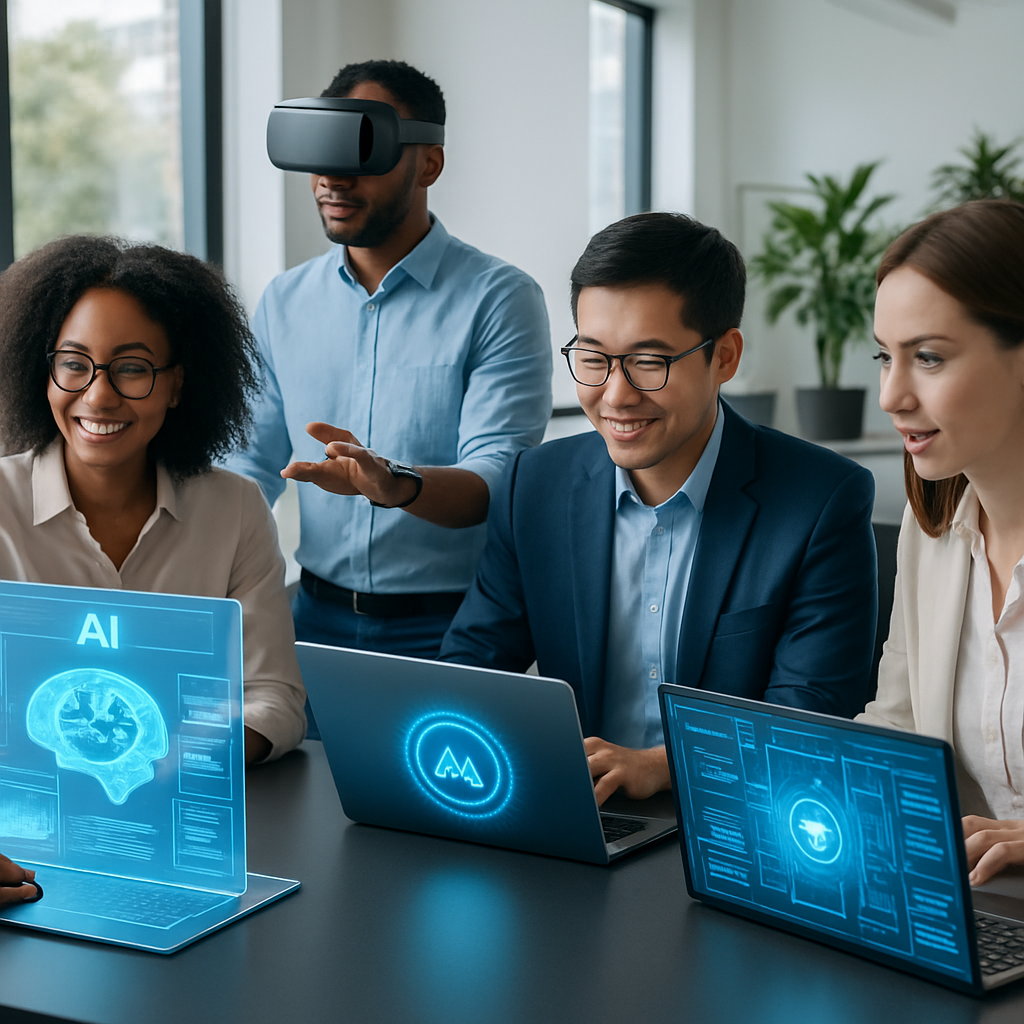
Team collaborating with AI tools in a modern office to enhance business processes

AI in Business Transformation 🚀

AI technology is revolutionizing business processes across all sectors, from healthcare to finance. By automating routine tasks, AI allows companies to focus on strategic growth and innovation. For instance, natural language processing tools like OpenAI's GPT models can automate customer service, while image recognition software enhances security systems. Competitor tools such as Microsoft's Azure AI and Google's TensorFlow also offer robust alternatives for businesses seeking diverse AI applications.

Statistics on AI Adoption

IndustryAI Adoption Rate (%)
Healthcare41
Finance45
Retail35

Challenges and Considerations ⚠️

Despite its advantages, integrating AI into existing systems presents challenges. Companies must address data privacy concerns and ensure they have the right infrastructure in place. Additionally, the need for skilled personnel to manage AI systems is crucial. Platforms like IBM Watson provide comprehensive AI solutions that address these concerns, offering secure and scalable AI services.

Conclusion 🏁

AI continues to be a game-changer for businesses, unlocking new possibilities and driving efficiency. As more companies embrace AI, they must remain vigilant about the ethical implications and operational challenges. By leveraging tools like Azure AI and TensorFlow, businesses can sustainably integrate AI to achieve their strategic objectives.

Further Reading

🚀 Ready to Build with AI?

Contact Silicon Prime — we help companies design and ship production-grade AI products.

 FAQ

Frequently asked questions

The article says AI is revolutionizing business processes across sectors from healthcare to finance, mainly by automating routine tasks so companies can focus on strategic growth and innovation. It gives examples like NLP tools (OpenAI's GPT models) automating customer service and image recognition software enhancing security systems.

The post's adoption table shows finance leading at 45%, healthcare at 41%, and retail at 35%. These figures illustrate that data-intensive, customer-heavy sectors are furthest along, though the article frames AI as transforming processes broadly rather than being confined to these three industries.

The article identifies data privacy concerns, the need for the right infrastructure, and the requirement for skilled personnel to manage AI systems as key integration challenges. It notes platforms like IBM Watson provide secure, scalable AI solutions that help address these concerns, but the underlying obstacles still need deliberate planning.

The post cites OpenAI's GPT models for automating customer service, image recognition software for security, and competitor platforms Microsoft Azure AI and Google's TensorFlow as robust alternatives for diverse AI applications. It also references IBM Watson for secure, scalable AI solutions, giving readers a spread of options across use cases.

According to the article, by automating routine tasks AI allows companies to focus on strategic growth and innovation. Examples include GPT models handling customer service and image recognition managing security, work that would otherwise consume staff time. The efficiency gain comes from offloading repeatable tasks to AI so people concentrate on higher-value priorities.

The post's conclusion urges companies to remain vigilant about the ethical implications and operational challenges of AI even as they embrace it. It frames responsible adoption, alongside addressing data privacy and infrastructure needs, as part of sustainably integrating AI to achieve strategic objectives rather than rushing in without safeguards.

The article emphasizes that AI is reshaping how businesses operate, which makes continuous skill-building important. The practical approach is to set specific, strategic goals and revisit them as tools evolve. A goal-driven, adaptive platform such as LeapSkill (leapskill.ai) can structure that progress and adapt the path as your objectives and the technology shift.

The post lists having the right infrastructure as a prerequisite for integrating AI into existing systems. Without adequate infrastructure, AI tools can't be deployed or scaled reliably. It points to platforms like IBM Watson offering secure, scalable services as a way to meet this need while also addressing the data privacy concerns it raises.

Yes. The conclusion calls AI a game-changer that unlocks new possibilities and drives efficiency, while cautioning that companies must stay mindful of ethical implications and operational challenges. The balanced view is that, with tools like Azure AI and TensorFlow and proper safeguards, businesses can sustainably integrate AI to meet strategic goals.

The article names the need for skilled personnel as a core challenge, since AI systems require people who can manage and maintain them effectively. Even with secure, scalable platforms like IBM Watson, gaps in expertise limit results. This makes building or hiring AI skills, and ongoing upskilling, a practical priority for any organization adopting AI.

Comments