
The artificial intelligence revolution is transforming every industry, making AI literacy crucial for professionals across all sectors. Whether you're a marketing manager, healthcare worker, or small business owner, understanding AI is becoming essential for career growth. Fortunately, high-quality AI education is more accessible than ever, with numerous free resources available to build these vital skills.
Top University Platforms for Free AI Education
Leading universities worldwide have made their AI curricula available through massive open online courses (MOOCs), providing access to world-class education without the hefty price tag. These platforms offer structured learning paths with academic rigor.
Coursera hosts numerous AI courses from top universities like Stanford, MIT, and the University of Toronto. Andrew Ng's Machine Learning Course remains one of the most popular introductions to AI fundamentals. While certificates require payment, all course content is freely accessible, including video lectures, reading materials, and programming assignments.
edX provides AI courses from Harvard, MIT, and other prestigious institutions. Their MITx Introduction to Artificial Intelligence course offers a comprehensive foundation in AI concepts, algorithms, and applications. The platform allows full access to course materials for free, with optional verified certificates available for purchase.
Khan Academy has expanded beyond traditional subjects to include computer science and AI fundamentals. Their approach breaks complex concepts into digestible segments, perfect for beginners who need to build confidence gradually.
These university platforms excel in providing theoretical foundations and mathematical concepts underlying AI systems. They're ideal for learners who prefer structured academic approaches and want to understand the "why" behind AI technologies.
Specialized AI Learning Platforms
Beyond traditional universities, specialized platforms have emerged to focus specifically on AI and machine learning education, often with more practical, hands-on approaches.
Kaggle Learn offers micro-courses covering machine learning, deep learning, and data science fundamentals. Each course takes just a few hours to complete and includes hands-on coding exercises using real datasets. This platform is particularly valuable for learning practical implementation skills.
Fast.ai provides a unique top-down approach to AI education, starting with building actual AI models before diving into theory. Their courses are completely free and focus on practical applications, making AI accessible to people without extensive mathematical backgrounds.
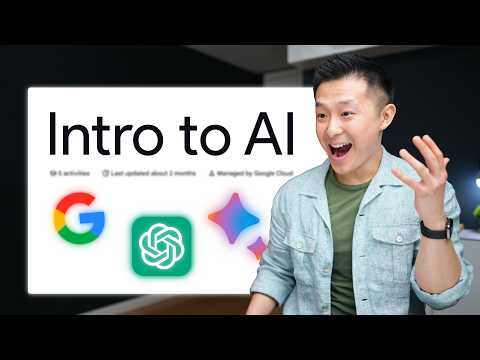
Google AI Education offers a comprehensive collection of courses, from beginner-friendly introductions to advanced topics like TensorFlow and machine learning engineering. Their Machine Learning Crash Course is particularly well-regarded for its clear explanations and practical exercises.
Interactive Learning Through Coding Platforms
For those who learn best by doing, interactive coding platforms provide hands-on experience with AI programming and implementation.
Python.org offers comprehensive tutorials for Python, the most popular programming language in AI development. While not AI-specific, mastering Python fundamentals is crucial for anyone serious about AI implementation.
Codecademy's free tier includes introductory programming courses that provide essential coding skills for AI work. Their interactive coding environment allows immediate practice and feedback.
GitHub hosts thousands of open-source AI projects and tutorials. Following along with well-documented repositories can provide invaluable hands-on experience with real AI implementations.
Jupyter Notebooks available through Google Colab offer free access to GPU-powered computing environments where you can run AI experiments without investing in expensive hardware.
YouTube and Video-Based Learning Resources
Video-based learning offers flexibility and visual explanations that can make complex AI concepts more accessible to diverse learning styles.
YouTube channels like 3Blue1Brown provide exceptional visual explanations of mathematical concepts underlying AI. Their neural network series is particularly renowned for making complex topics intuitive through outstanding animations.
MIT OpenCourseWare offers complete video lectures from actual MIT AI courses, providing university-level education for free. These comprehensive lecture series cover everything from basic concepts to cutting-edge research.
Tech company channels from Google, Microsoft, and NVIDIA offer insights into practical AI applications and industry best practices. These resources are valuable for understanding how AI is applied in real-world business contexts.
Building Practical Skills Through Projects and Communities
Learning AI theory is important, but practical application through projects and community involvement accelerates skill development and provides networking opportunities.
Open source projects offer opportunities to contribute to real AI applications while learning from experienced developers. Platforms like GitHub showcase projects at every skill level, from beginner-friendly tutorials to cutting-edge research implementations.
Kaggle competitions provide structured challenges using real datasets. Even if you don't win, participating in competitions exposes you to diverse problem-solving approaches and connects you with the global AI community.
Local meetups and study groups in major metropolitan areas offer face-to-face learning opportunities. Cities with strong tech ecosystems often host regular AI meetups where beginners can learn alongside more experienced practitioners.
Online communities like Reddit's r/MachineLearning, Stack Overflow, and specialized Discord servers provide forums for asking questions, sharing projects, and staying current with AI developments.
Choosing the Right Learning Path for Your Goals
With so many free AI learning options available, choosing the right approach depends on your current background, learning style, and career objectives.
For complete beginners with no technical background, platforms like LeapSkill or Khan Academy provide gentle introductions that build confidence gradually. These platforms understand that AI can seem overwhelming and break concepts into manageable pieces.
For professionals with some technical experience, university MOOCs or Google AI Education offer more comprehensive and rigorous training that builds solid theoretical foundations alongside practical skills.
For hands-on learners, coding platforms and project-based approaches provide immediate engagement with AI tools and techniques. This path works well for people who learn by experimentation and iteration.
For busy professionals who need flexible scheduling, video-based learning and platforms offering bite-sized lessons accommodate irregular study schedules while maintaining learning momentum.
Frequently asked questions
The guide highlights Coursera (AI courses from Stanford, MIT, and the University of Toronto, including Andrew Ng's popular Machine Learning Course), edX (Harvard and MIT, such as MITx Introduction to Artificial Intelligence), and Khan Academy for computer science and AI fundamentals. On Coursera and edX, course content is free while certificates are an optional paid add-on.
Yes. The post explains that on Coursera, all course content is freely accessible, including video lectures, reading materials, and programming assignments, with only the certificate requiring payment. edX similarly allows full access to course materials for free, offering optional verified certificates for purchase. You can complete the full learning experience without paying.
The guide says university platforms (Coursera, edX, Khan Academy) excel at theoretical foundations and the math behind AI, ideal if you want to understand the why. Specialized platforms like Kaggle Learn, Fast.ai, and Google AI Education take a more practical, hands-on approach. Many learners combine both: theory for grounding, hands-on platforms for implementation skills.
The post recommends Fast.ai, which uses a top-down approach, starting by building actual AI models before diving into theory, and is explicitly described as accessible to people without extensive mathematical backgrounds. Kaggle Learn's short, hands-on micro-courses using real datasets are another practical option. Both prioritize doing over heavy theory.
According to the guide, Kaggle Learn offers micro-courses covering machine learning, deep learning, and data science fundamentals. Each course takes just a few hours and includes hands-on coding exercises using real datasets, making it especially valuable for picking up practical implementation skills quickly rather than spending weeks on theory.
The post points to Python.org's comprehensive tutorials and calls Python the most popular programming language in AI development. Starting with Python gives you the foundation to use the libraries and frameworks most AI courses and projects rely on, which is why interactive coding platforms center on it for hands-on practice.
The guide devotes a section to matching the path to your goals: pick university platforms for structured, theory-first learning, and specialized or coding platforms for practical, project-based skills. Beginners may start with Khan Academy or Andrew Ng's course, then move to Fast.ai or Kaggle for application. If you prefer a guided, goal-driven path, LeapSkill (leapskill.ai) personalizes the sequence for you.
The guide stresses building practical skills through projects and communities, not just consuming courses. Free courses give foundations and hands-on platforms build implementation skills, but applying them in real projects is what demonstrates competency. Combining structured learning with project work and community engagement is the path the article lays out toward genuine, usable ability.
The post opens by stating AI literacy is becoming essential across all sectors, naming marketing managers, healthcare workers, and small business owners as examples. The free resources it covers span beginner-friendly introductions to advanced engineering topics, so non-technical professionals can build relevant AI understanding without enrolling in a costly program.
Per the guide, Google AI Education provides a comprehensive collection of courses ranging from beginner-friendly introductions to advanced topics like TensorFlow and machine learning engineering. Its Machine Learning Crash Course is singled out as well-regarded for clear explanations and practical exercises, making it a solid free starting point.
Further Reading
- neo-ai | AI Learning Platform
- SuperML – Learning First, Backed by Open Source AI/ML Products
- Artificial Intelligence | IBM SkillsBuild
Ready to Build with AI?
Contact Silicon Prime — we help companies design and ship production-grade AI products.
Comments